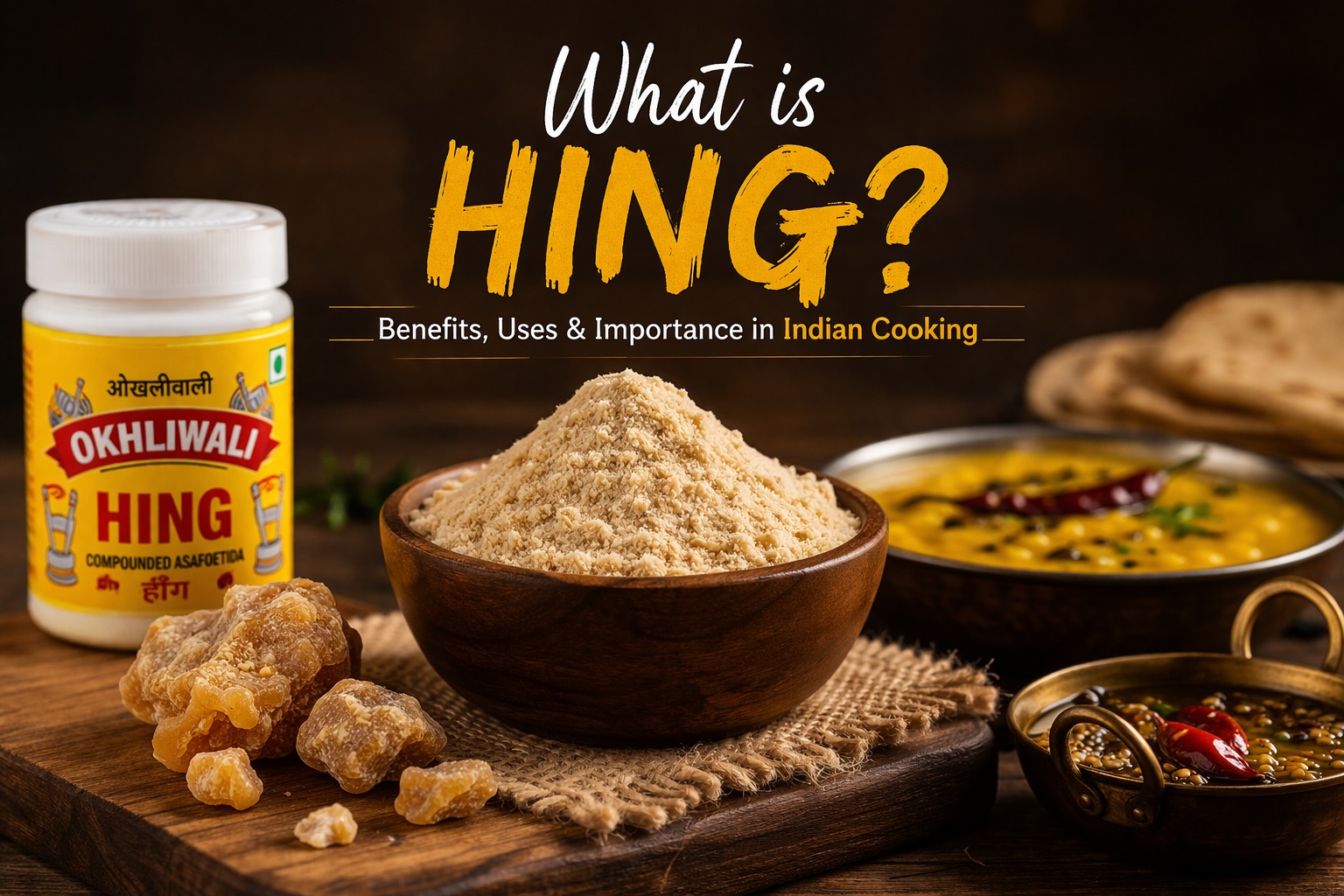
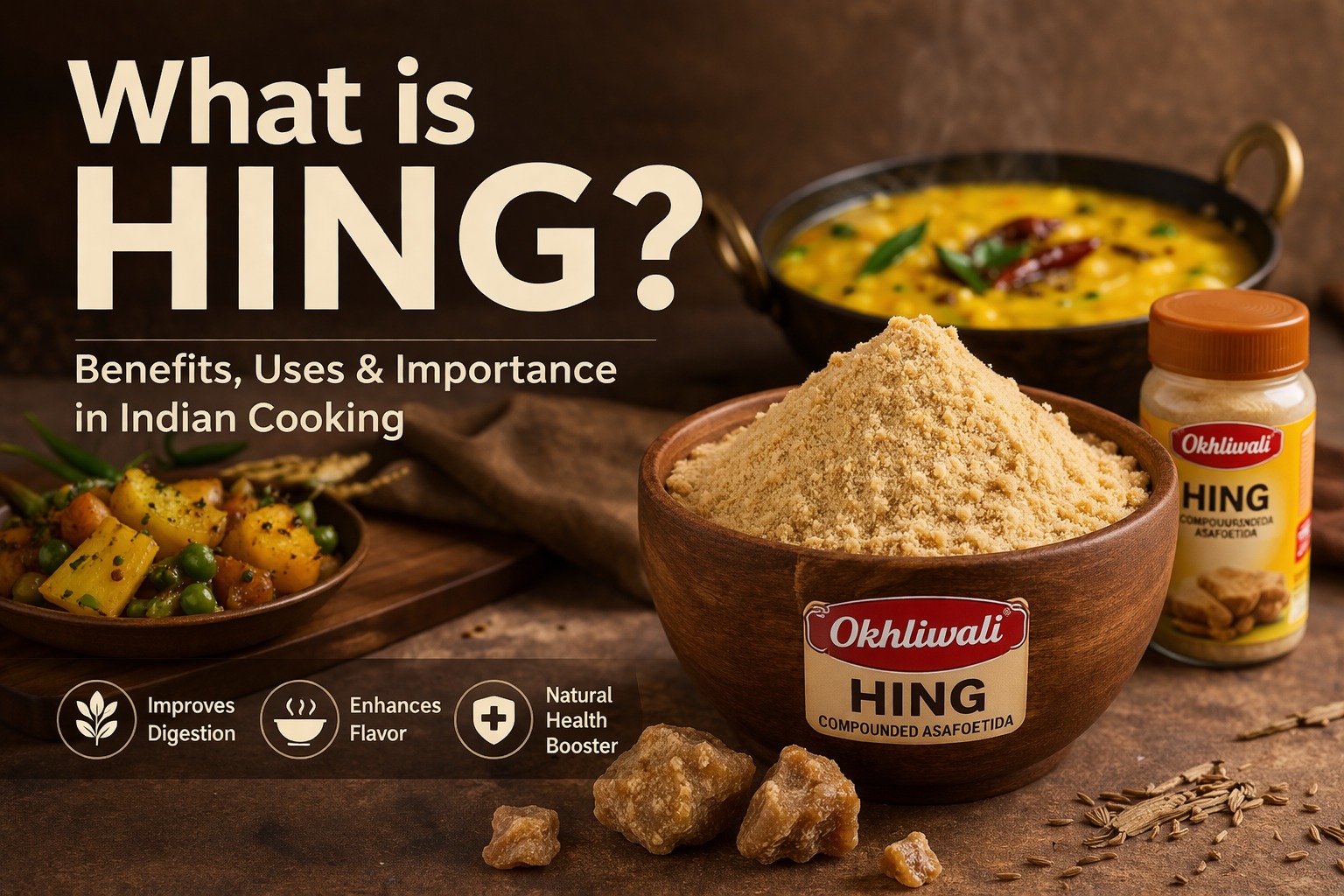
Hing, also known as asafoetida, is one of the most essential spices in Indian kitchens. Though used in very small quantities, it has the power to completely transform the taste and aroma of food.
What is Hing?
Hing is a resin extracted from the roots of the Ferula plant. It is dried and processed into powder form, which is commonly used in cooking. Due to its strong smell, it is always used in minimal quantity.
Why Hing is Important in Cooking
- Enhances flavor instantly
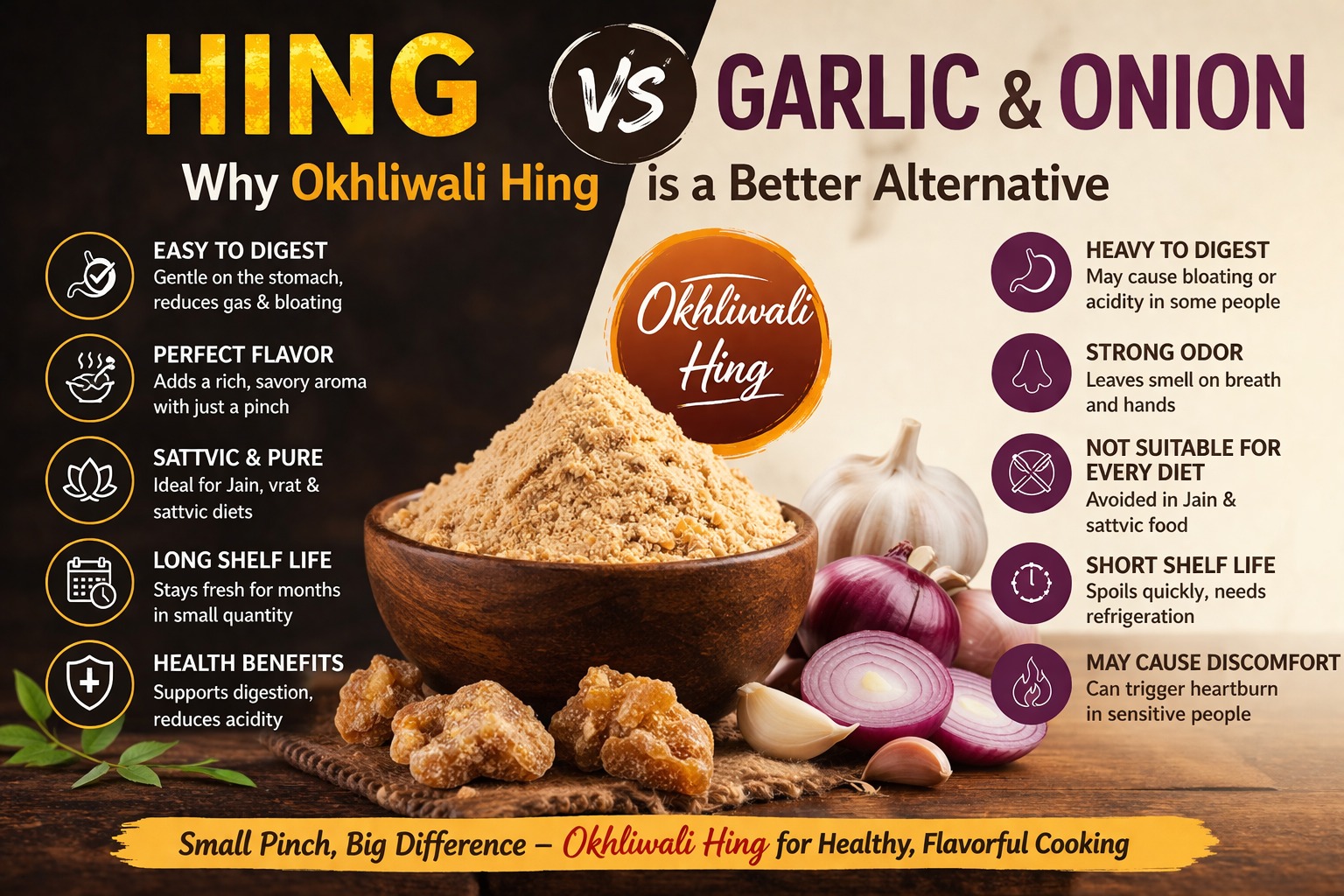
- Acts as a substitute for onion and garlic
- Adds depth to simple dishes like dal and sabzi
Common Uses of Hing
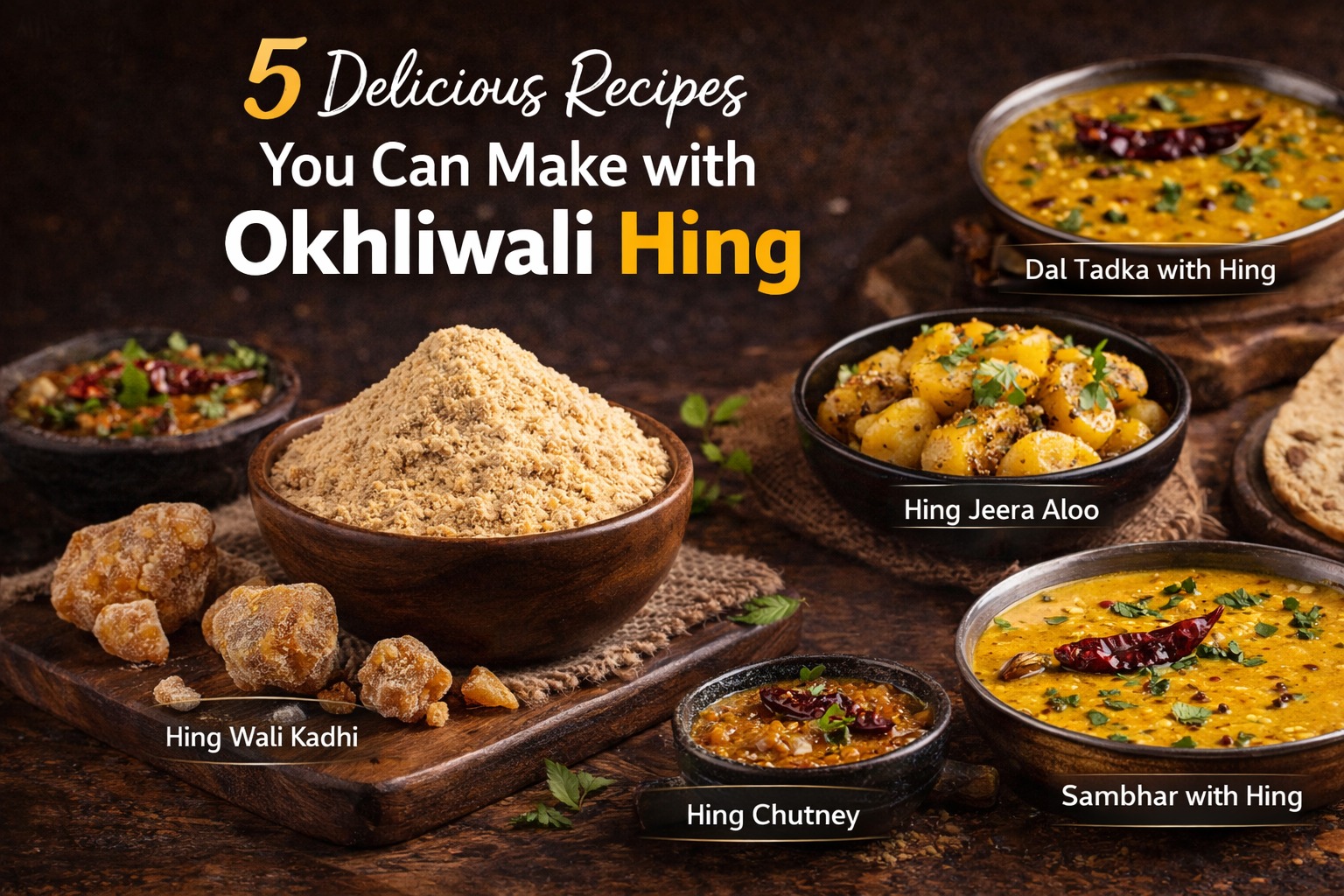
- Dal tadka
- Vegetable curries
- Pickles and chutneys
- South Indian sambhar
Health Benefits of Hing
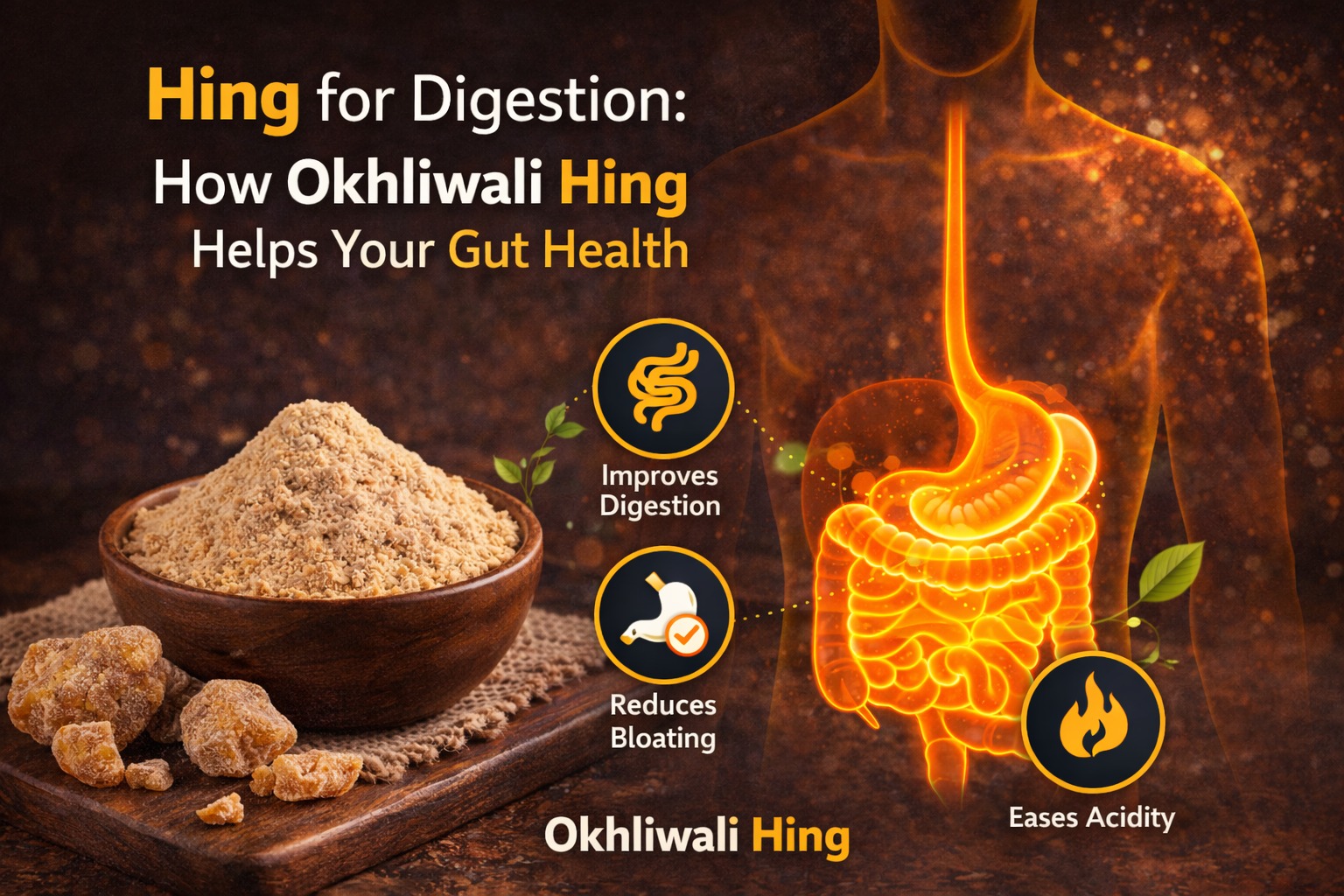
Hing is widely known for its digestive properties. It helps reduce gas, bloating, and acidity. It also has anti-inflammatory and antibacterial benefits.
How to Use Hing Properly
Always add hing in hot oil or ghee during tempering. Never use it raw, and always use only a pinch to avoid overpowering the dish.
Choosing the Right Hing
Quality matters when it comes to hing. A good hing should have a strong aroma and be used in very small quantities. Okhliwali Hing offers a balanced blend that delivers both flavor and value.
Conclusion
Hing is not just a spice—it is a tradition that enhances both taste and health. Adding it to your daily cooking can elevate even the simplest meals.